Clubs throughout Zone 8 have had their say, and the results of the first Zone 8 Regional Council election are now in! Here is the list of candidates clubs have chosen to lead and represent our Zone starting from 1 January 2024: Chair-Elect: Tony Heyward, RC of Tawa, New Zealand (D9940) Portfolio Lead: Major Fundraising and Grants: Dr Peter Rogers AM, RC of Melbourne, VIC, Australia (D9800) Portfolio Lead: Membership: Andy Rajapakse, RC of Burleigh Heads, QLD, Australia (D9640) Portfolio Lead: Service Projects and Programs: Madhumita Bishnu, E-Club of Melbourne, VIC, Australia (D9800) Rotaract Nominee: Eeshwar Rajagopalan, Rotaract Club of Subiaco/RC of Elizabeth Quay, WA, Australia (D9423) As previously indicated, the following roles received one eligible application each, so candidates were therefore automatically elected: Chair: Dallas Booth, RC of Turramurra, NSW, Australia (D9685) Portfolio Lead: Public Image and Partnerships: Neil McWhannell, RC of Wahroonga, NSW, Australia (D9685) Portfolio Lead: Learning and Development: Euan Miller, RC of Norwood, SA, Australia (D9510) The applicants for the above roles were deemed to have the necessary skills and experience to complete their duties. The role of Portfolio Lead: Diversity, Equity and Inclusion did not receive any eligible applications. A suitable candidate for the role will be selected once the Regional Council is in place.
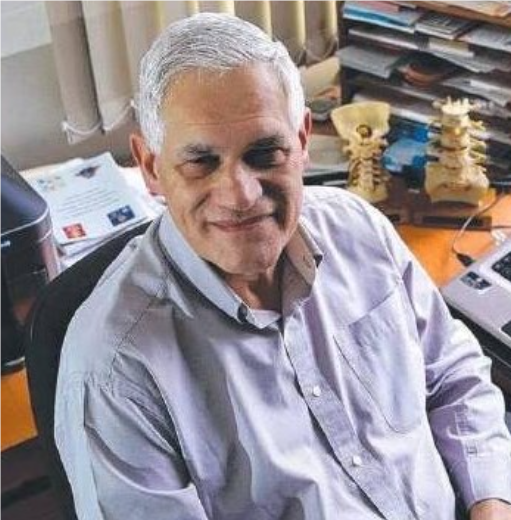
Our Speaker at this weeks meeting will be Frank Portelli - District 9685 International Service Chair. Frank will be speaking about all things to do with International Projects.
The meeting starts at 7:30 pm Eastern Australian Daylight Saving Time and is online using Zoom. The link will open at 7:15pm for members to chat beforehand.
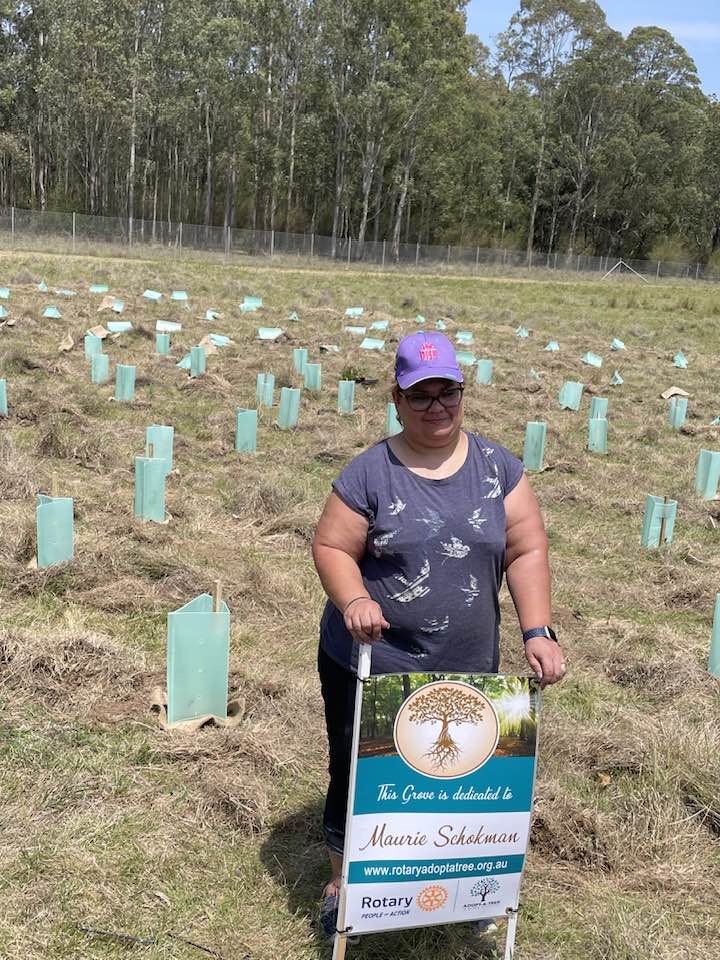
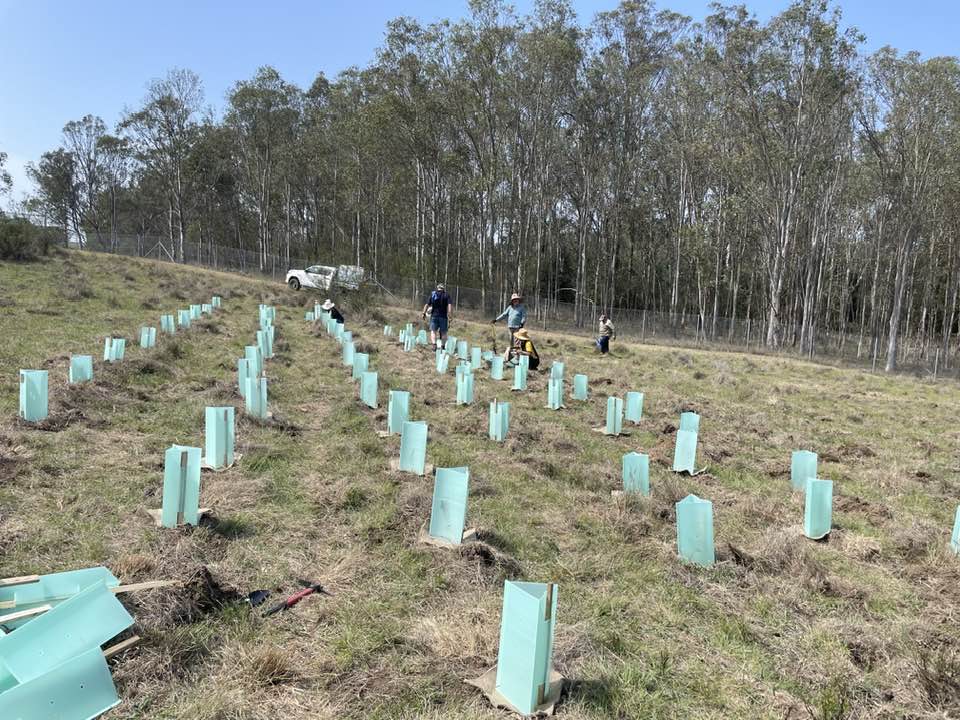
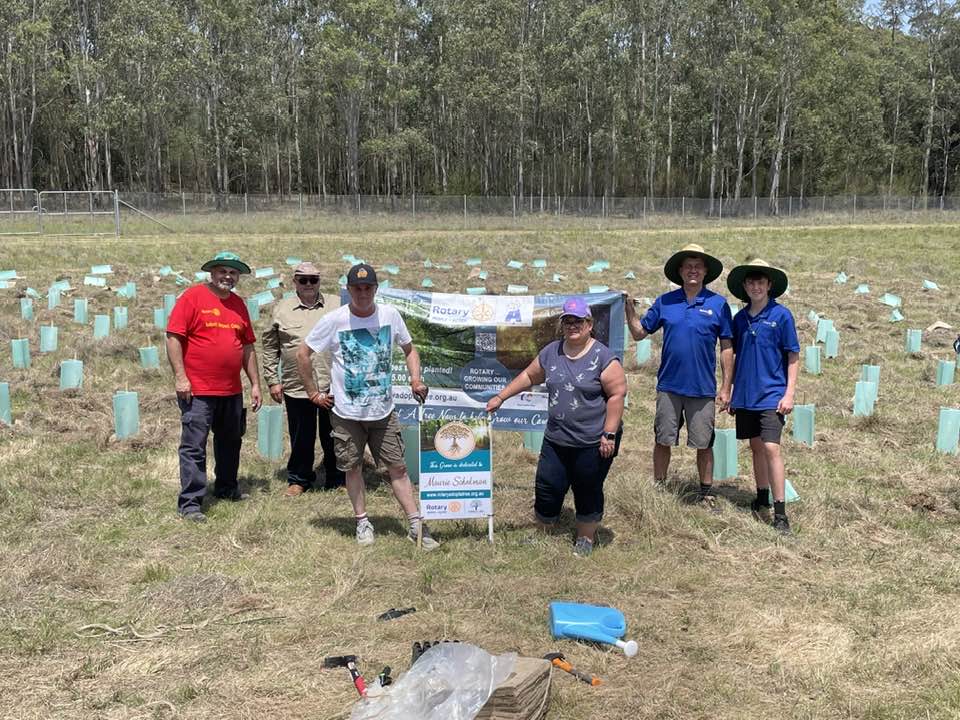
Sunday 12th November was the Rotary Adopt a Tree planting day in remembrance of Maurie Schokman. Lucian Keegel, Doug Vincent, Samoan Fuller (nee Schokman) plus several family members represented our club. Lucian reports that it was a great success with 40 attendees from Rotary Clubs, Rotaract, Western Sydney University who planted over 900 trees. The day was very well organised by both Rotary and airport security who bussed the planters to the site where trenches for seedlings had been dug and a sausage sizzle was provided for lunch. Rotary Adopt a Tree have a contract with the Western Sydney Airport to return the surrounding acreage to its natural habitat – this will include planting trees, (up to 50,000), scrubland and native grasses over the next 10 years.
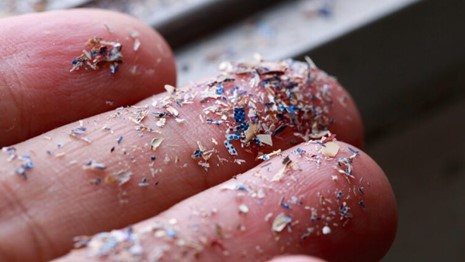
Microplastics are tiny particles of plastic less than 5mm in size and have become ubiquitous in the modern world, infiltrating not just our environment but also our homes.
They are found in everyday items, from cleaning products to the food we consume. To safeguard your home and your health, follow these practical steps to minimise your exposure to microplastics.
Opt for natural fibres
Choose natural fibre textiles such as cotton, wool, and silk over synthetic fabrics. Synthetic fibres like polyester shed microfibres during washing, contributing to microplastic pollution.
Natural fibres shed less and are kinder to the environment.
Use microfibre catchers
Often polyester microfibres are shaken free from your clothes during washing. Consider using a microfibre catcher in your washing machines. These devices capture microfibres, preventing them from entering the water supply and ultimately your home.
Say no to single-use plastics
Try to reduce your use of single-use plastics at home. Replace disposable plastic utensils, plates, and cups with reusable alternatives made from glass, metal, or bamboo. This not only reduces potential microplastic spread but also limits plastic waste.
Filter your tap water
While the quality of tap water in Australia is very high, it is still a potential source of microplastics. Use a high-quality water filter that specifically targets microplastics.
By filtering your tap water, you ensure that the water you use for cooking, drinking, and cleaning is free from these harmful particles.
Choose glass or stainless steel food storage
When storing food and beverages, opt for glass or stainless steel containers instead of plastic ones. Plastic containers can leach microplastics, especially when exposed to heat. Glass and stainless steel are safer alternatives.
Avoid plastic cooking utensils
When cooking, use utensils made from wood, bamboo, or metal instead of plastic. Plastic utensils can release microplastics when exposed to heat, potentially contaminating your food.
Avoid non-stick cookware with plastic coating
Non-stick cookware often comes with a plastic coating that can degrade over time, releasing microplastics into your food. Opt for ceramic or cast iron cookware, which are durable and safe alternatives.
Educate yourself
Stay informed about microplastic sources and share your knowledge with friends and family. The more people know about the sources and risks of microplastics, the more equipped you’ll be to make informed choices and protect our homes and health.
By taking a little care, you can create a microplastic-free environment in your home. Every small change you make adds up, not only benefitting your health but also preserving the environment for future generations.
Are you concerned about microplastics in your home?

 ow members,